Historic 60-Day Lebanon-Israel Ceasefire Takes Effect as Tens of Thousands of Displaced Residents Return to Southern Towns
A landmark international ceasefire brokered by the United States and France brings a halt to fourteen months of devastating hostilities, paving the way for Lebanese military deployment and civilian reconstruction along the Blue Line.


BEIRUT / JERUSALEM — A comprehensive 60-day ceasefire agreement between Israel and Hezbollah came into formal effect at 4:00 AM local time on Wednesday, ending more than a year of escalating cross-border conflict and heavy bombardment that had displaced over one million people across southern Lebanon and northern Israel. Within hours of the truce taking effect, highways heading south from Beirut were packed with thousands of families in cars loaded with mattresses and personal belongings, celebrating their long-awaited return to their hometowns and villages.
The diplomatic framework, negotiated through months of intensive mediation by United States Special Envoy Amos Hochstein and French diplomatic counterparts, establishes a phased roadmap rooted in United Nations Security Council Resolution 1701. Under the agreement, Israeli military forces will execute a gradual withdrawal from southern Lebanese territory over a sixty-day window, while Lebanese Armed Forces and UNIFIL peacekeepers deploy up to 10,000 troops to secure the region south of the Litani River.
Hezbollah agreed to dismantle its military infrastructure and withdraw all armed personnel north of the Litani River, effectively establishing a demilitarized buffer zone along the international border. An international monitoring committee, chaired by the United States and comprising France and regional partners, will oversee compliance and investigate reported violations, while Israel retained the acknowledged right to act in self-defense against imminent, verified hostile threats.
In Washington, President Joe Biden hailed the accord as a historic breakthrough that offers a path toward lasting regional stability, urging all parties to uphold their commitments in good faith. European leaders, the United Nations, and regional governments throughout the Arab world widely commended the cessation of hostilities, highlighting the urgent need for international humanitarian relief and long-term economic reconstruction for affected civilian populations on both sides of the border.
Despite widespread celebration, humanitarian organizations caution that returning residents face immense challenges, including widespread structural devastation, unexploded ordnance, and disrupted civic infrastructure in border communities. Nonetheless, the successful implementation of the ceasefire has injected substantial momentum into broader diplomatic discussions aimed at de-escalating tensions across the wider Middle East.
Related Coverage

G7 Foreign Ministers Issue Resolute Communiqué in Fiuggi Demanding Restraint from Russia and Reaffirming Middle East Stability
Meeting in Fiuggi, Italy, Secretary of State Antony Blinken and G7 diplomatic chiefs issue a comprehensive joint declaration condemning Russian missile escalation in Ukraine, denouncing North Korean troop deployment, and welcoming the Israel-Lebanon ceasefire.
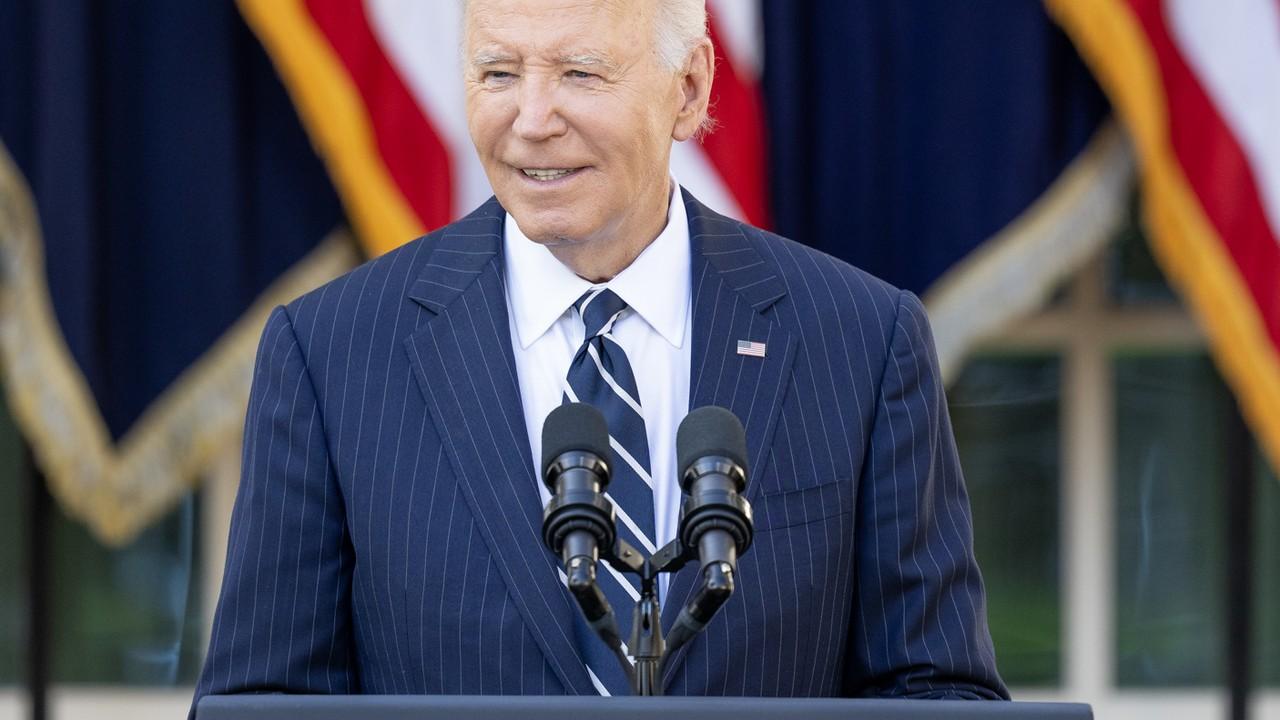
Historic Israel-Hezbollah 60-Day Ceasefire Accord Finalized to Halt 14-Month War Across the Blue Line in Southern Lebanon
United States and French diplomats broker a comprehensive 60-day cessation of hostilities between Israel and Hezbollah, providing for Israeli troop withdrawals, Hezbollah's retreat north of the Litani River, and Lebanese Army deployment.
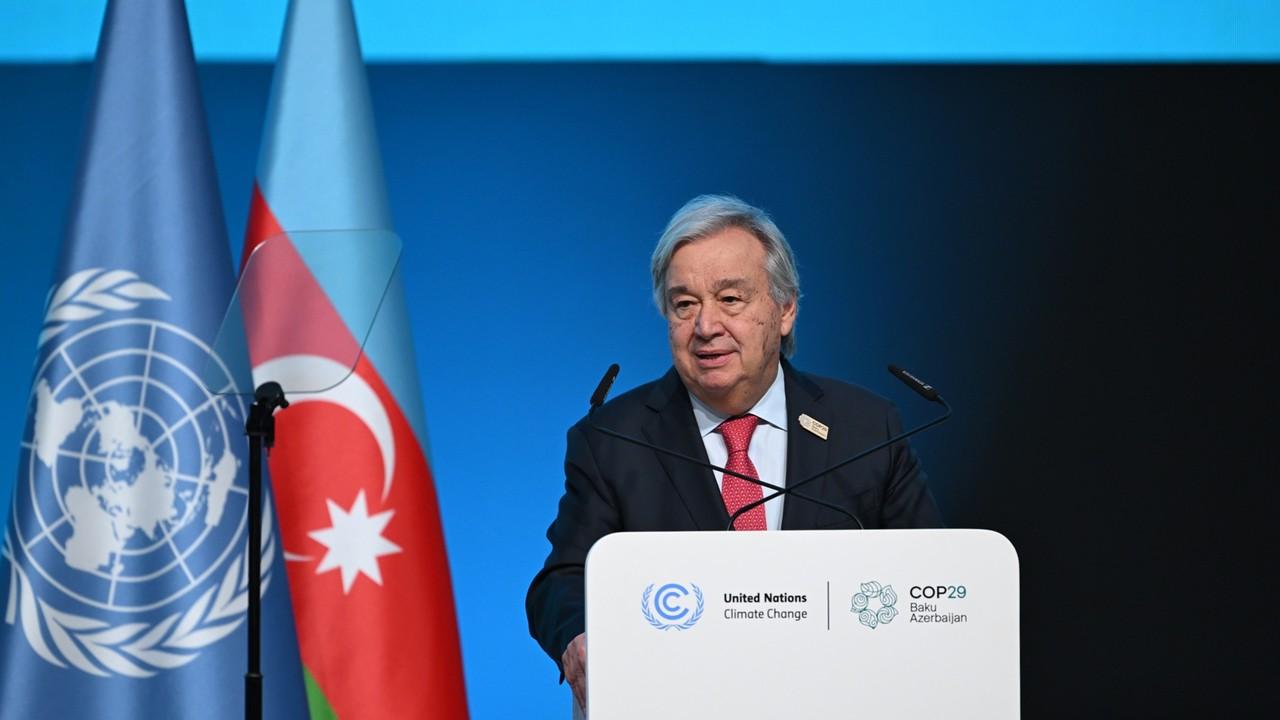
COP29 Climate Summit Concludes in Baku with $300 Billion Annual Finance Accord Amid Bitter Pushback from Developing Nations
United Nations climate negotiators in Azerbaijan finalize a breakthrough $300 billion annual climate finance agreement and global carbon market rules, while vulnerable and island states decry the sum as grossly inadequate.