NASA Launches $1 Million Student Moon Base Challenge and Releases Landmark Hubble Dark Matter Survey
NASA opened a major national competition inviting student engineering teams to design lunar South Pole life support systems, while releasing an extraordinary nine-panel Hubble deep-space survey mapping cosmic gravitational lenses.

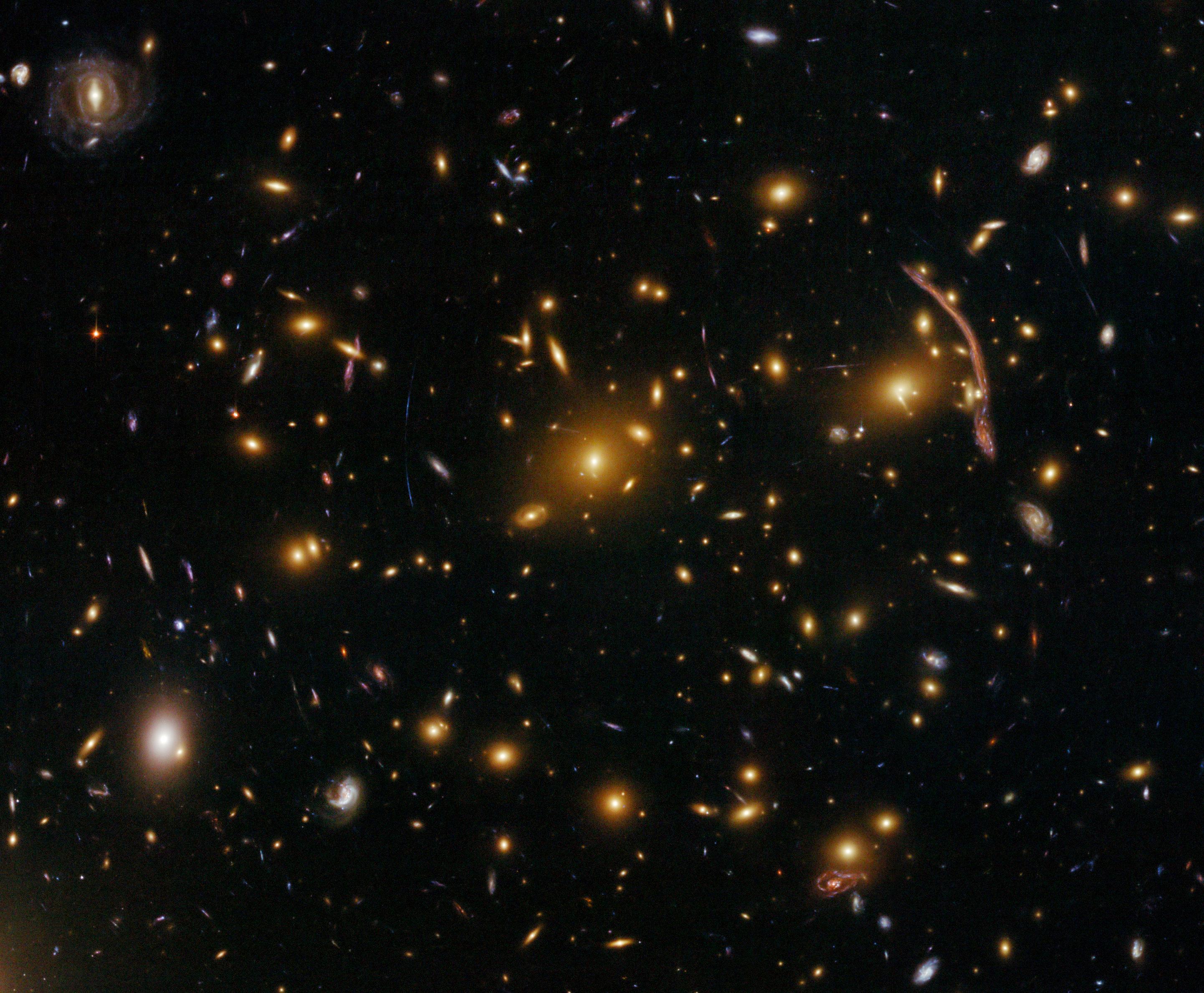
WASHINGTON / GREENBELT, Md. — Advancing both the frontiers of astrophysics and next-generation lunar exploration, NASA announced two landmark scientific initiatives on Friday: the launch of a prestigious $1 million collegiate 'Moon Base Challenge' to engineer Artemis surface life-support infrastructure, alongside the public release of a groundbreaking nine-panel cosmic gallery captured by the Hubble Space Telescope detailing massive gravitational lenses.
The newly inaugurated $1 Million Moon Base Challenge invites multi-disciplinary student engineering teams from accredited high schools and universities across the United States to submit operational blueprints for permanent human habitats situated near the lunar South Pole. Competition categories focus on solving the most severe technical bottlenecks of off-world survival, including cryogenic power storage during the freezing two-week lunar nights, automated water-ice extraction from shadowed craters, regolith radiation shielding, and closed-loop oxygen reclamation systems.
'The students participating in this challenge today will be the mission directors, aerospace architects, and habitat engineers building permanent civilization on the Moon tomorrow,' remarked NASA's Associate Administrator for STEM Engagement. 'By engaging our brightest young minds in solving real-world engineering hurdles, we are fueling the innovation engine that will sustain human presence on other worlds.'
Simultaneously, astrophysicists at NASA's Goddard Space Flight Center celebrated the publication of an extraordinary deep-sky survey by the Hubble Space Telescope, showcasing nine spectacular examples of strong gravitational lensing—a phenomenon where massive galaxy clusters like Abell 370 warp and magnify the light of primordial background galaxies behind them. The comprehensive survey serves as a vital target catalog for the newly deployed Nancy Grace Roman Space Telescope, which will leverage wide-field gravitational lensing to map the spatial distribution of elusive dark matter across cosmic time.
Agency officials also confirmed that planetary science teams will begin evaluating restructured, cost-effective architectures in January to return pristine rock cores collected by the Perseverance rover on Mars back to Earth. With orbital observatories revealing the dawn of galaxies and Artemis surface technologies maturing rapidly, scientists celebrated the announcements as a powerful demonstration of American leadership across the space sciences.
Related Coverage
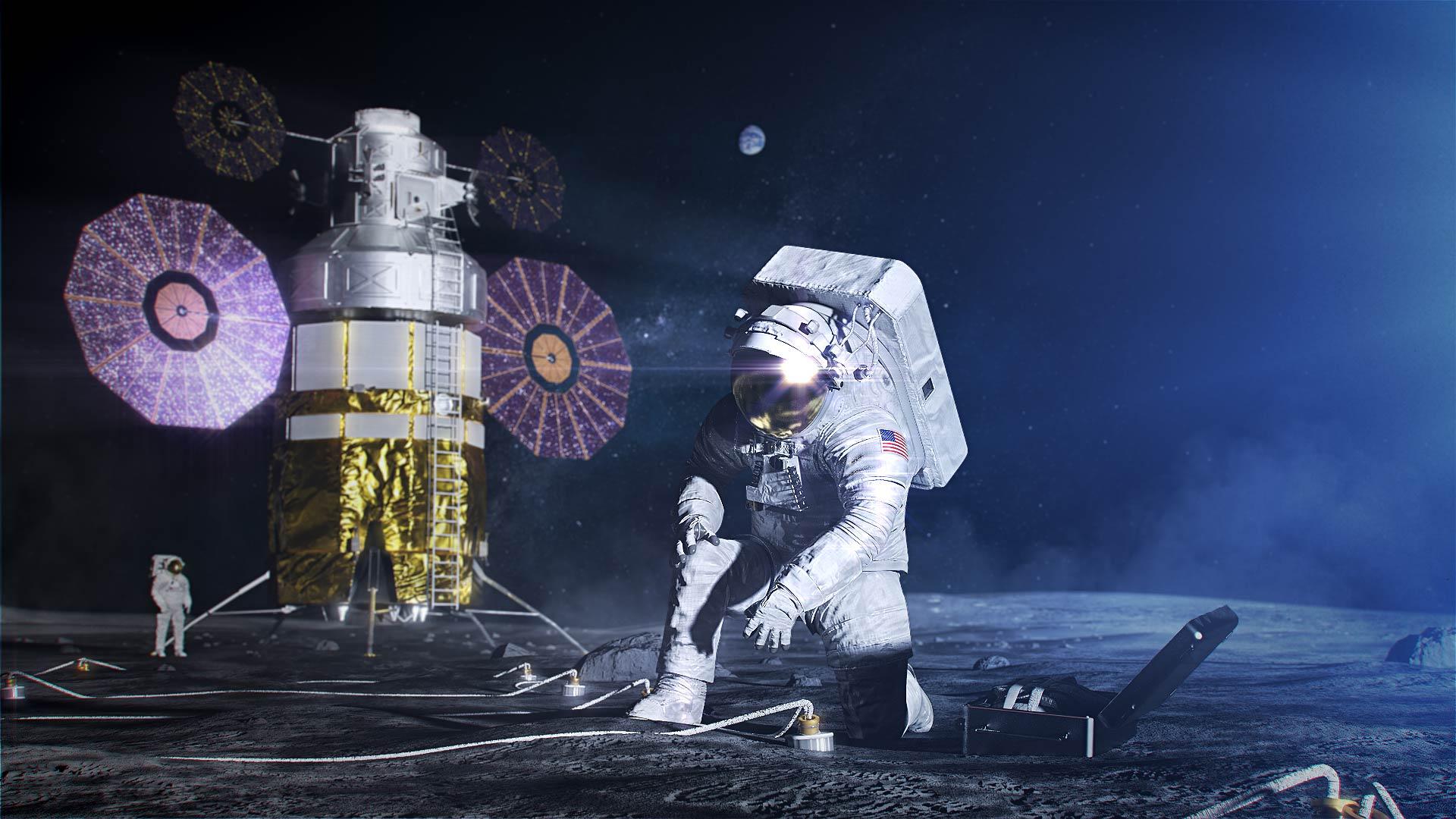
NASA Opens Applications for New Astronaut Class Destined for Permanent Lunar Base and Mars Missions
NASA officially opened recruitment for its newest class of astronaut candidates, seeking STEM professionals to train for long-duration habitation at humanity's planned lunar outpost and future crewed voyages to Mars.
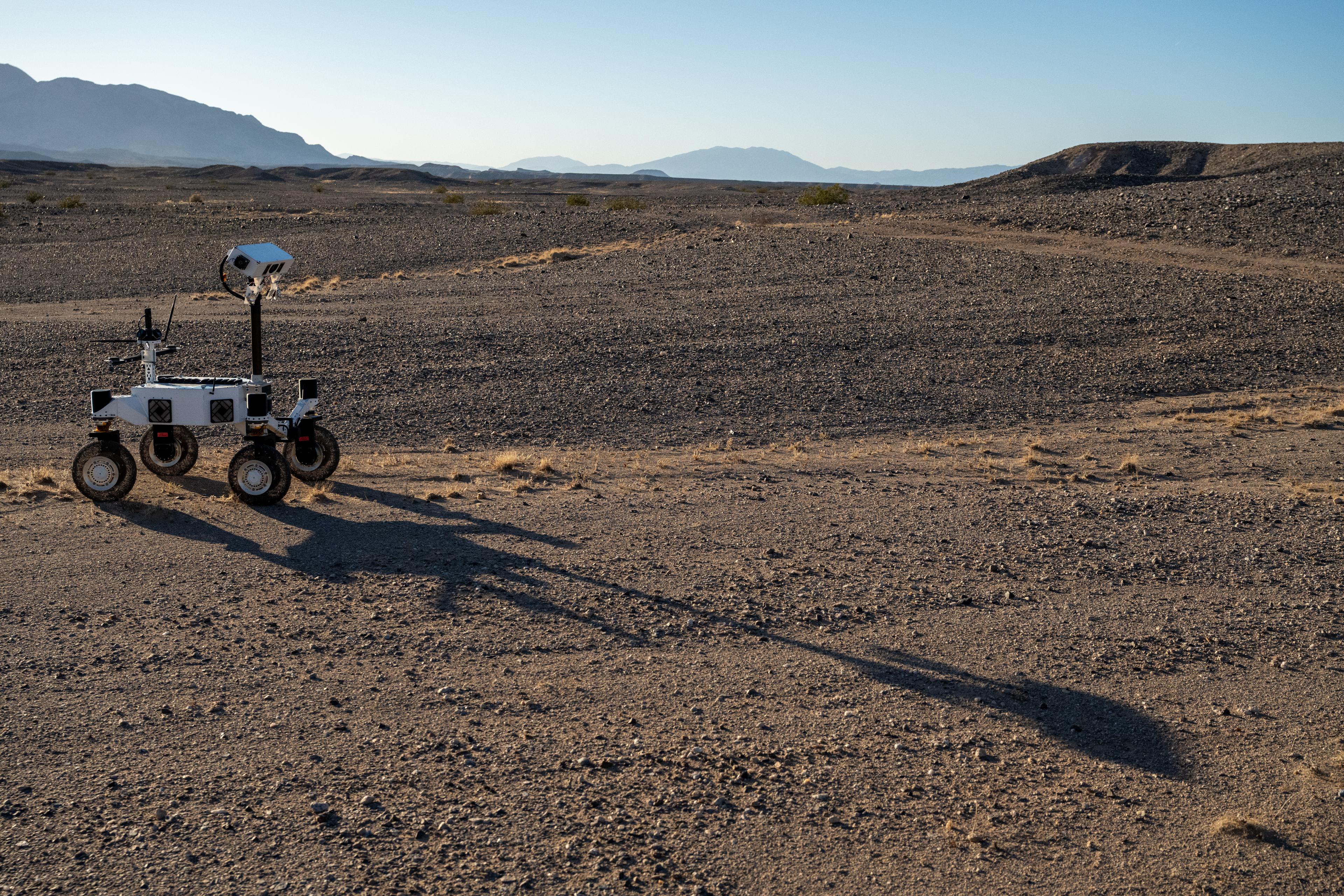
NASA Expands Artemis Surface Fleet with Landmark Autonomous Rover and Infrastructure Contracts
NASA has announced a sweeping series of task orders under the Commercial Lunar Payload Services initiative, greenlighting the deployment of long-range autonomous utility rovers and surface communication arrays destined for the Moon’s permanently shadowed South Pole craters.
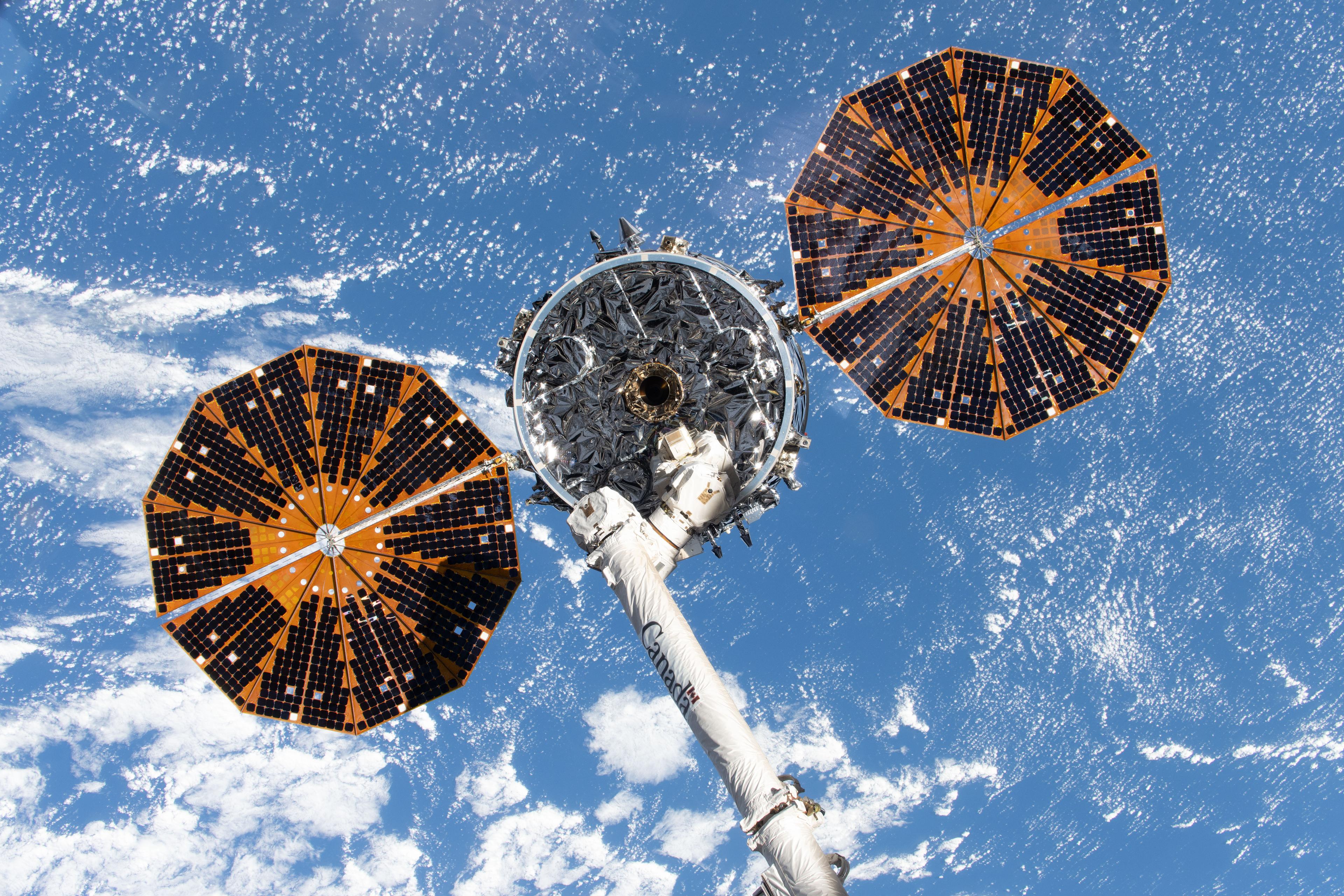
Autonomous Robotics Achieve Milestone in Self-Assembling Deep-Space Habitats in Microgravity Orbital Trials
NASA and commercial aerospace consortia completed orbital flight demonstrations proving that multi-jointed robotic systems can autonomously weld, inspect, and deploy mega-structures in low-Earth orbit.