NASA Opens Applications for New Astronaut Class Destined for Permanent Lunar Base and Mars Missions
NASA officially opened recruitment for its newest class of astronaut candidates, seeking STEM professionals to train for long-duration habitation at humanity's planned lunar outpost and future crewed voyages to Mars.

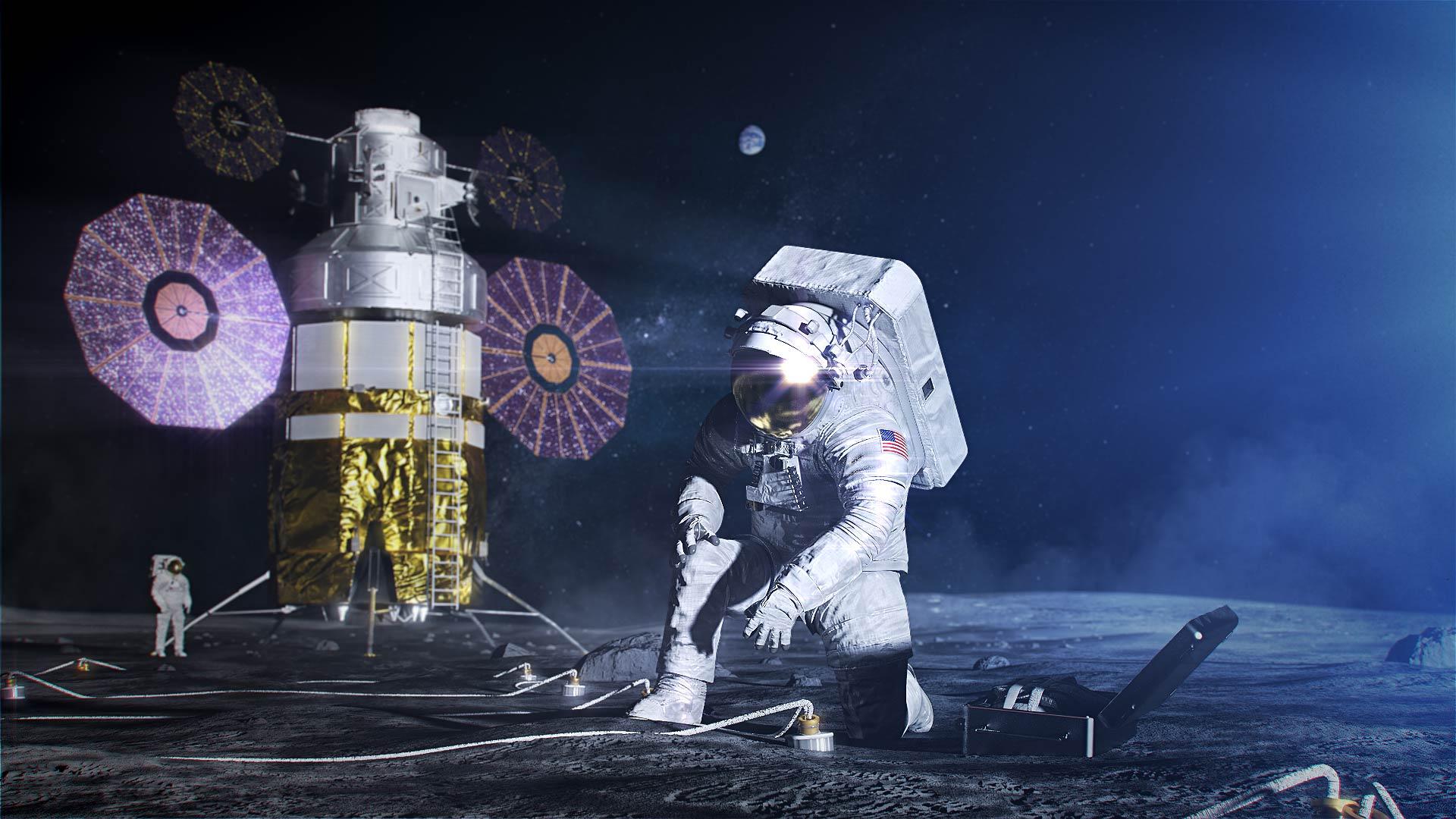
HOUSTON — Issuing a call to America's next generation of deep-space explorers, NASA officially opened public applications this week for its newest class of astronaut candidates. Unlike previous recruitment cycles heavily centered on low-Earth orbit operations aboard the International Space Station, the newly selected corps will train explicitly for extended surface habitation at the planned Artemis lunar base and pioneering crewed expeditions toward Mars.
Eligible U.S. citizens holding a master’s degree in a science, technology, engineering, or mathematics (STEM) discipline, accompanied by at least three years of relevant professional experience or 1,000 hours of pilot-in-command jet time, can submit applications through early December. Following a rigorous multi-stage medical, psychological, and technical evaluation process conducted at Johnson Space Center in Houston, final astronaut selections are scheduled to be announced in late 2027.
'We are no longer merely visiting space; we are establishing permanent infrastructure beyond Earth's gravity well,' explained NASA's Chief of the Astronaut Office during the recruitment launch. 'The candidates who apply this month will be the geologists, physicians, test pilots, and systems engineers operating cryogenic habitats on the Moon's South Pole and validating closed-loop life support architectures required for multi-year journeys to the Red Planet.'
The recruitment announcement caps an extraordinary week of planetary science milestones for the agency. Earlier this week, NASA’s twin ESCAPADE spacecraft successfully executed precision Earth gravity-assist flybys, slinging both probes onto their interplanetary trajectory to study Mars's magnetosphere and atmospheric stripping. Meanwhile, mission controllers at the Jet Propulsion Laboratory are counting down to November 18, when the legendary Voyager 1 probe—launched in 1977—will officially reach one full light-day (nearly 16.1 billion miles) from Earth in interstellar space.
Closer to home, NASA and NOAA scientists also published their annual atmospheric findings on the 2026 Antarctic ozone hole, noting that an unusually strong polar vortex expanded the seasonal depletion zone to the seventh-largest area in 48 years of monitoring, though affirming that international chemical bans keep long-term ozone recovery steadily on track.
Related Coverage
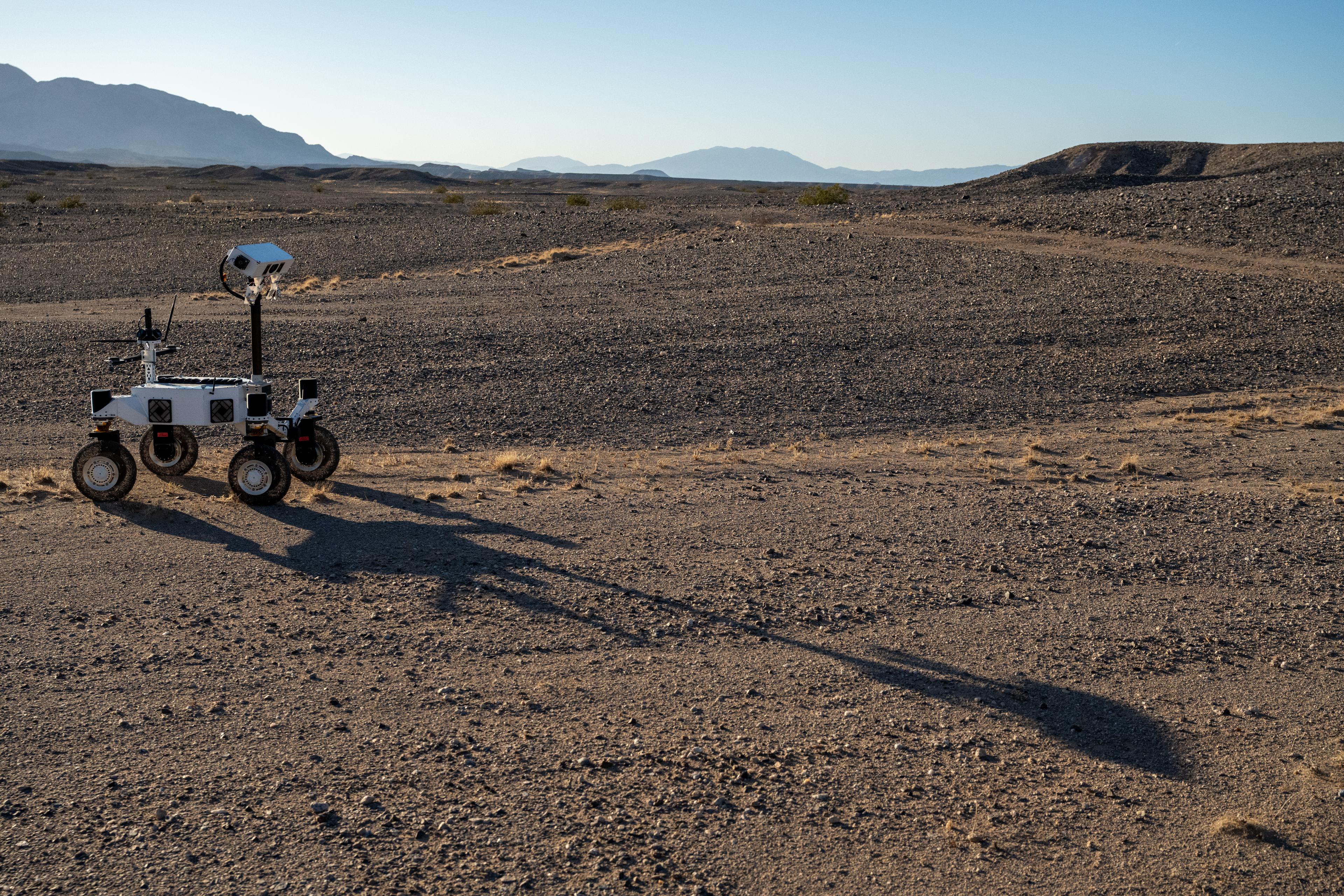
NASA Expands Artemis Surface Fleet with Landmark Autonomous Rover and Infrastructure Contracts
NASA has announced a sweeping series of task orders under the Commercial Lunar Payload Services initiative, greenlighting the deployment of long-range autonomous utility rovers and surface communication arrays destined for the Moon’s permanently shadowed South Pole craters.
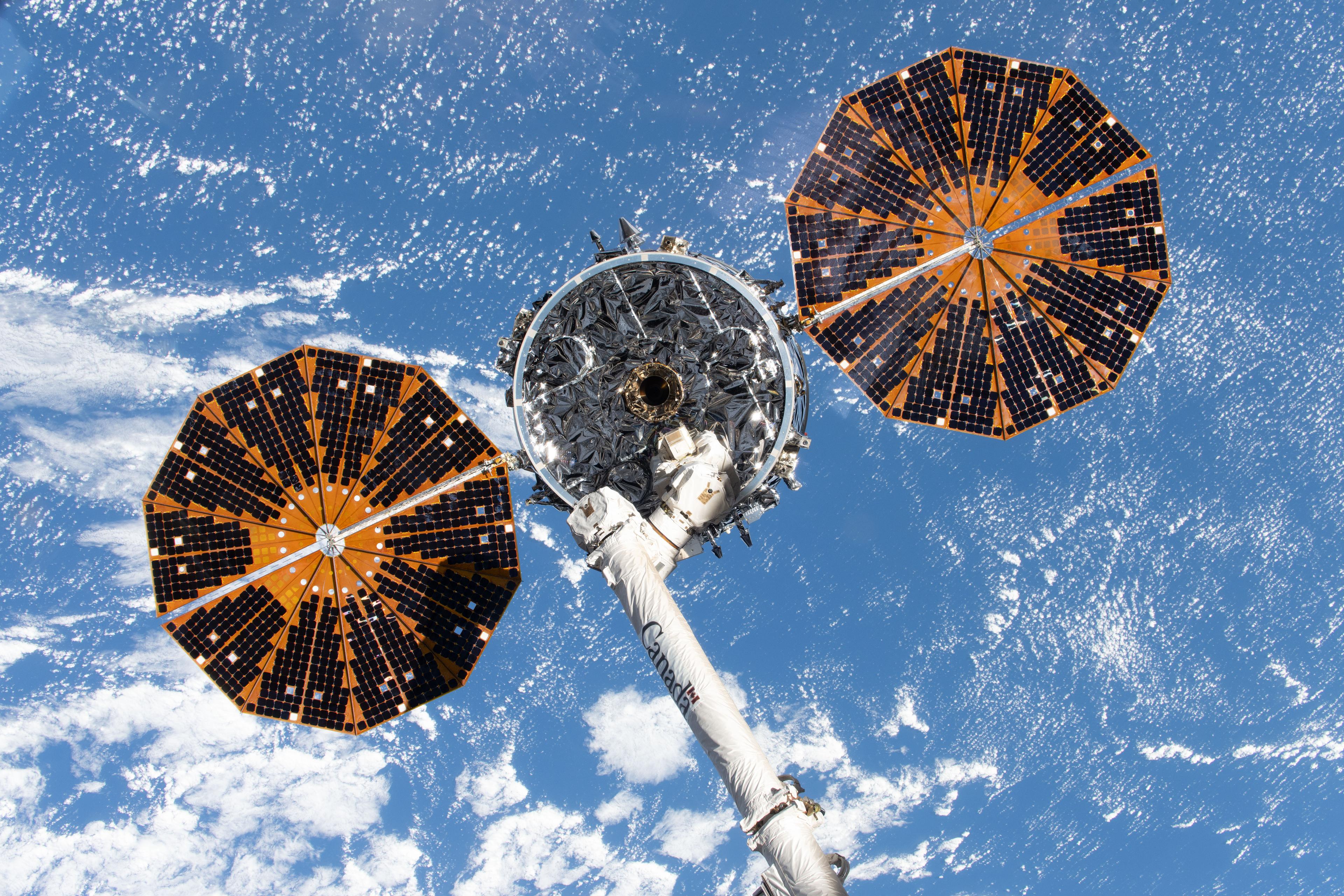
Autonomous Robotics Achieve Milestone in Self-Assembling Deep-Space Habitats in Microgravity Orbital Trials
NASA and commercial aerospace consortia completed orbital flight demonstrations proving that multi-jointed robotic systems can autonomously weld, inspect, and deploy mega-structures in low-Earth orbit.
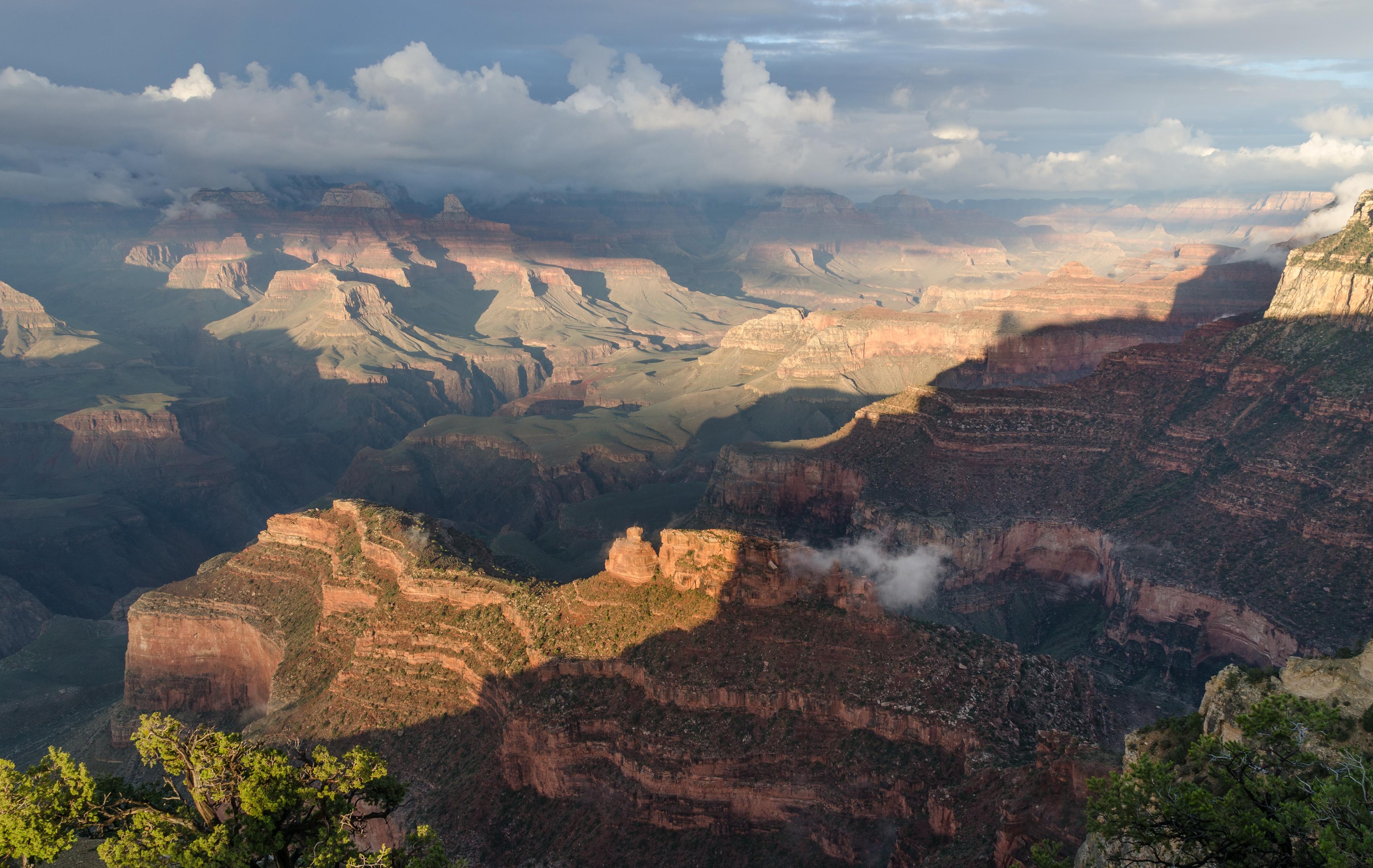
Geological Breakthrough: Deep-Mantle Pacific Subduction Revealed as Engine Driving North America's Grand Canyon Uplift
Groundbreaking seismic tomography and mineralogical isotopic analysis demonstrate how ancient oceanic plate tectonic forces thousands of miles away triggered the iconic geological carving of the American Southwest.