NASA's Parker Solar Probe Prepares for Closest-Ever Historic Approach to the Sun in Final Perihelion Sequence
Traveling at unprecedented speeds exceeding 430,000 miles per hour, NASA's revolutionary spacecraft prepares to skim just 3.8 million miles from the solar surface, diving deep into the Sun's superheated corona to unlock fundamental astrophysical mysteries.

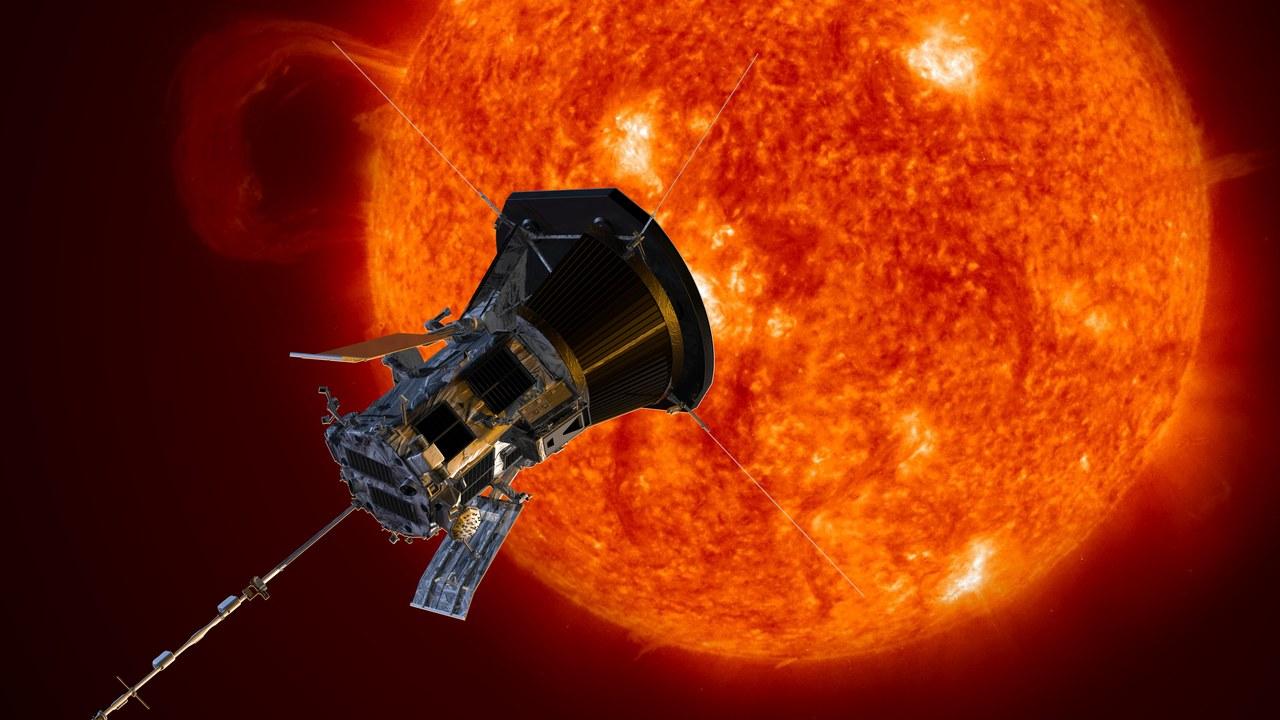
LAUREL, Md. — Flight controllers at the Johns Hopkins Applied Physics Laboratory in Maryland have initiated the final countdown and calibration procedures for NASA's Parker Solar Probe as the spacecraft prepares for its closest, most daring brush with the Sun in human history. Scheduled to reach perihelion in late December, the mission will bring the probe to within just 3.8 million miles of the blisteringly hot solar surface, traveling at speeds approaching 430,000 miles per hour — fast enough to travel from New York to Tokyo in under a minute.
The historic milestone represents the culmination of a seven-year orbital trajectory designed to 'touch the Sun' by leveraging multiple gravitational assists from Venus. During its upcoming orbital pass, Parker Solar Probe will venture directly through the Sun's mysterious corona, where temperatures exceed several million degrees Fahrenheit — defying the intuitive thermodynamic law that temperatures should decrease further away from the solar core.
To survive this extreme environment, the spacecraft relies on a revolutionary 4.5-inch-thick carbon-composite thermal protection shield coated with specially formulated white ceramic paint. While the outer shield absorbs temperatures nearing 2,500 degrees Fahrenheit, the spacecraft's scientific instruments tucked safely behind the shield remain at a comfortable room temperature of around 85 degrees Fahrenheit, allowing sensitive particle detectors and magnetometers to operate continuously.
Heliophysicists anticipate that data collected during this historic approach will revolutionize our understanding of how the solar wind is accelerated to supersonic speeds and how energetic particle storms originate. These solar phenomena have profound real-world consequences on Earth, where powerful coronal mass ejections can disrupt electrical power grids, blind satellite navigation systems, degrade radio communications, and endanger astronauts aboard orbiting space stations.
Mission scientists confirmed that all four primary instrument suites — WISPR, FIELDS, SWEAP, and ISʘIS — are in peak health and collecting unprecedented telemetry. The groundbreaking findings from Parker Solar Probe's closest solar flybys will provide vital scientific benchmarks for space weather forecasting models that protect critical terrestrial and orbital infrastructure for decades to come.
Related Coverage
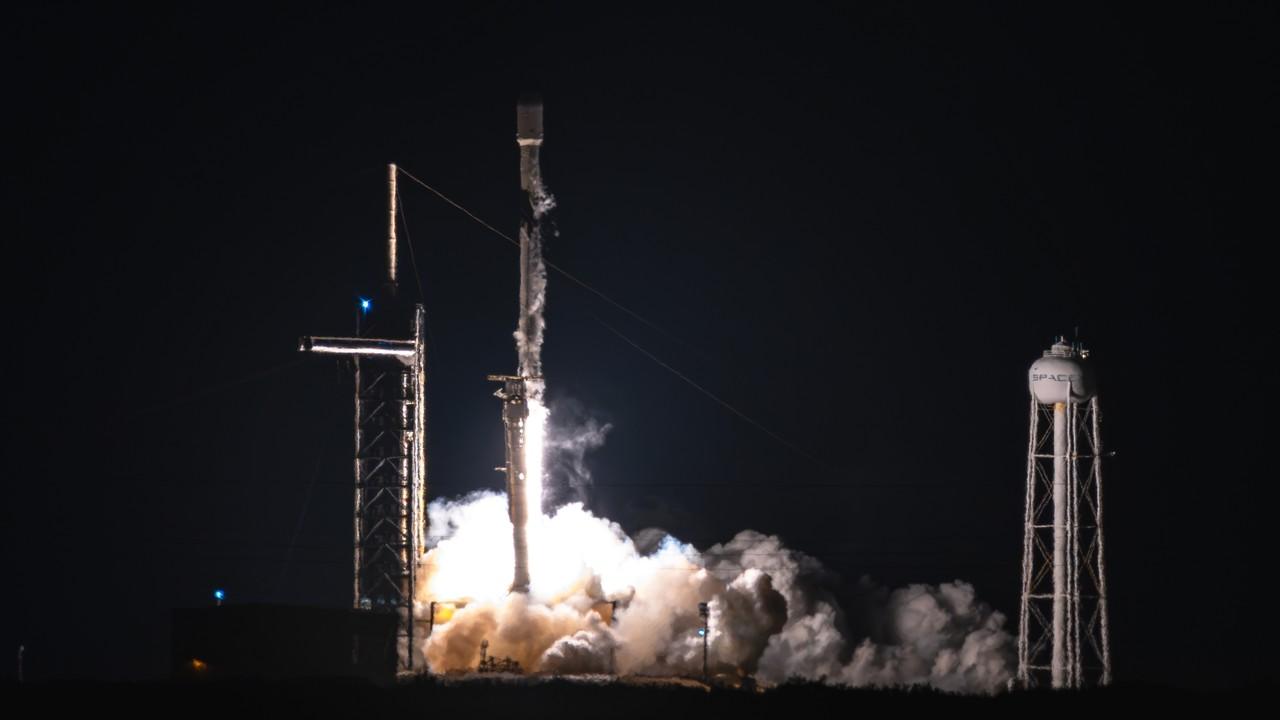
SpaceX Reaches Historic 400th Successful Falcon 9 Mission with Starlink Deployment from Kennedy Space Center
Elon Musk's SpaceX achieves an extraordinary aerospace milestone, launching its 400th successful Falcon 9 orbital flight from Launch Complex 39A at NASA's Kennedy Space Center as reusable rocket technology transforms space access.
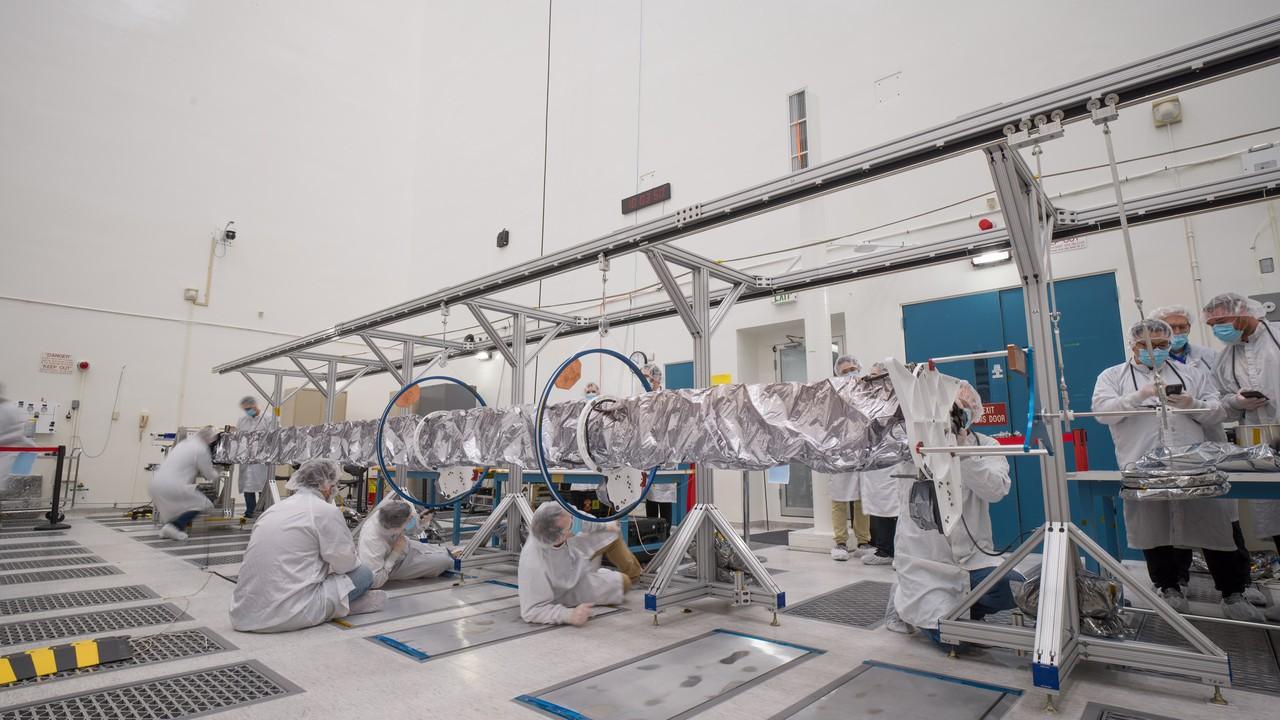
NASA's Europa Clipper Completes Initial Deep-Space Instrument Checkouts as 1.8-Billion-Mile Jovian Odyssey Progresses
Mission controllers at NASA's Jet Propulsion Laboratory confirm that Europa Clipper has successfully deployed its 28-foot magnetometer boom and begun primary instrument calibration en route to Jupiter's ocean world.
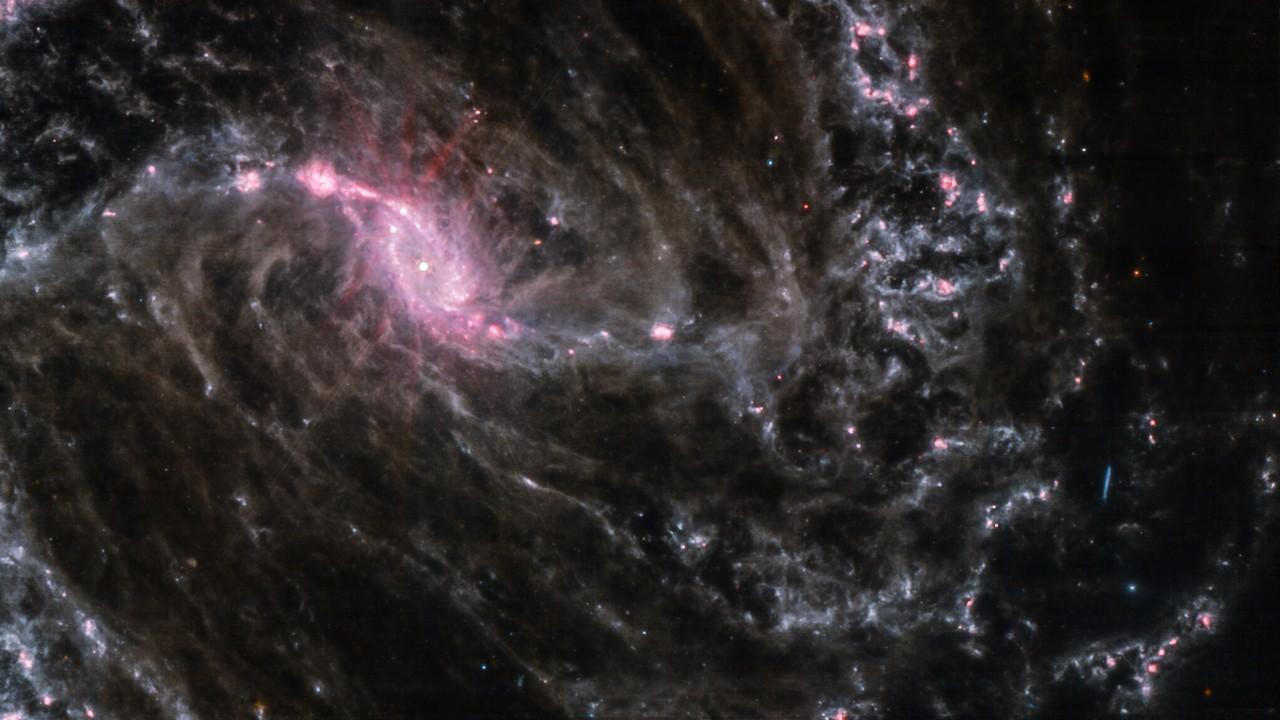
NASA's James Webb Space Telescope Uncovers New Inner Moon of Uranus and Captures High-Definition Infrared View of NGC 1365
Astrophysicists utilizing JWST's ultra-sensitive infrared cameras detect a previously hidden 29th moon orbiting Uranus and reveal unprecedented details of star-forming filaments feeding a supermassive black hole in galaxy NGC 1365.