Wall Street Gripped by Volatility as Sticky Inflation Drives Federal Reserve Rate Hike Odds to 85%
Global markets faced heightened selling pressure ahead of crucial wholesale price index figures, with institutional bond desks rapidly pricing in an aggressive Federal Reserve policy tightening at the December FOMC summit.

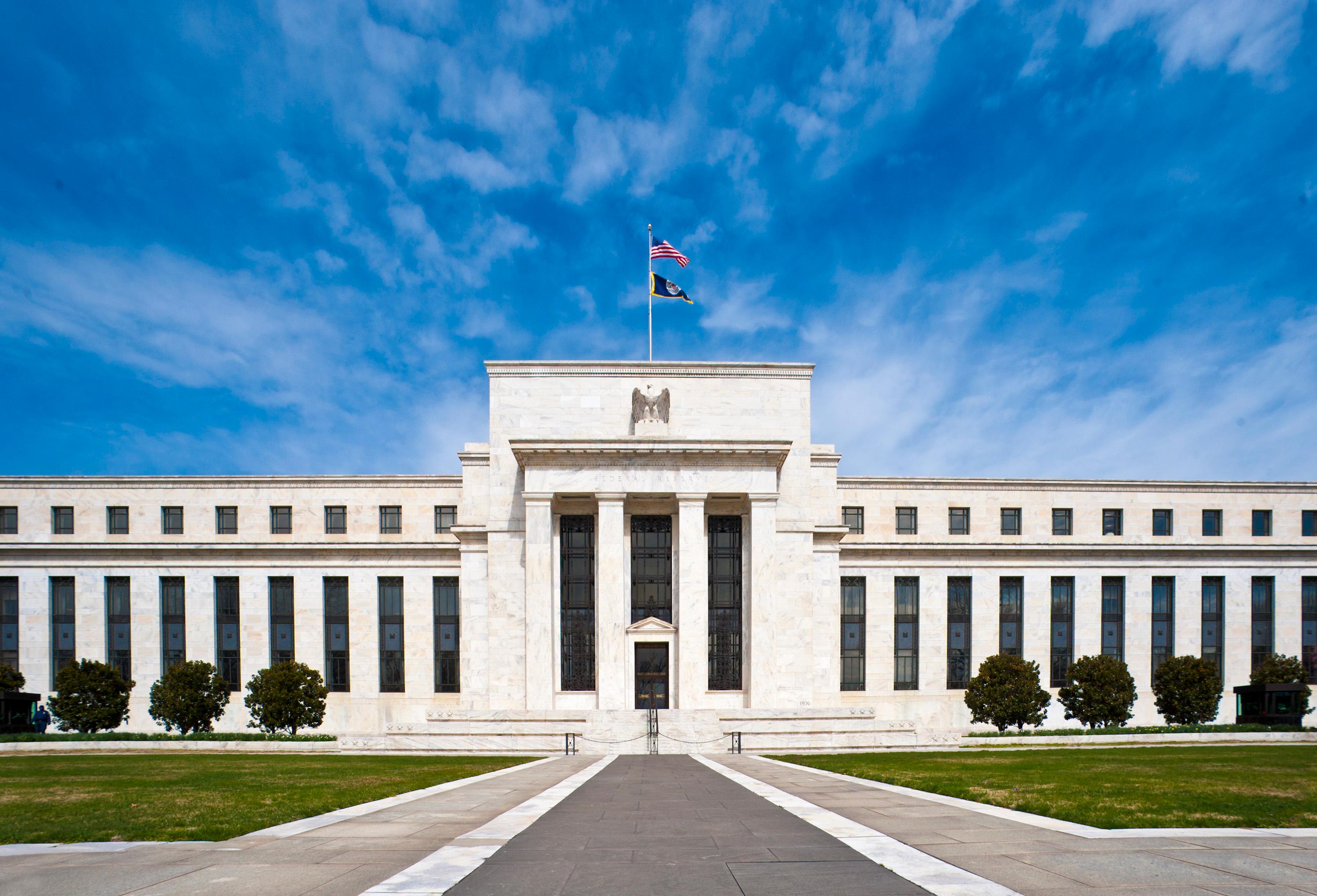
NEW YORK — Financial markets across Wall Street entered a defensive holding pattern on Friday as institutional investors braced for the release of the October Producer Price Index (PPI) from the Bureau of Labor Statistics, with bond yields climbing and futures pricing in an 85 percent probability of a quarter-point interest rate increase by the Federal Reserve next month.
The heightened anxiety across equity and debt desks follows earlier consumer price data indicating that core inflation remains stubbornly entrenched above 3.5 percent, driven by persistent shelter costs, logistics surcharges, and rising service wages. According to consensus forecasts from major Wall Street brokerage houses, headline wholesale producer prices are expected to rise 0.4 percent month-over-month, representing an annual wholesale inflation rate of 6.6 percent that severely complicates the central bank’s planned policy trajectory.
'The financial markets are confronting the uncomfortable reality that inflationary pressures are proving far more structural than transitory models suggested,' commented the chief investment officer of an institutional asset management firm in New York. 'With macroeconomic indicators demonstrating ongoing labor market resilience alongside rising wholesale input costs, the Federal Reserve simply does not possess the room to ease monetary policy. Instead, traders are forced to price in higher terminal benchmark rates well into 2027.'
The macroeconomic squeeze triggered broad weakness across interest-rate-sensitive assets. Benchmark 10-year U.S. Treasury yields touched 4.62 percent, pulling capital toward the U.S. dollar, which traded near fresh multi-year peaks against major currency baskets. In commodity markets, gold prices retreated further below $4,000 per ounce, while digital assets including Bitcoin experienced persistent liquidation pressure as speculative liquidity dried up across risk markets.
Compounding market headwinds, corporate earnings reports from enterprise bellwethers including Cisco and Applied Materials highlighted cautionary corporate spending outlooks for early 2027. Equity strategists noted that while technology valuations had rebounded earlier in the week, sustaining current price-to-earnings multiples requires pristine corporate guidance that may prove increasingly difficult to deliver against a backdrop of elevated borrowing costs and tight federal monetary policy.
Related Coverage
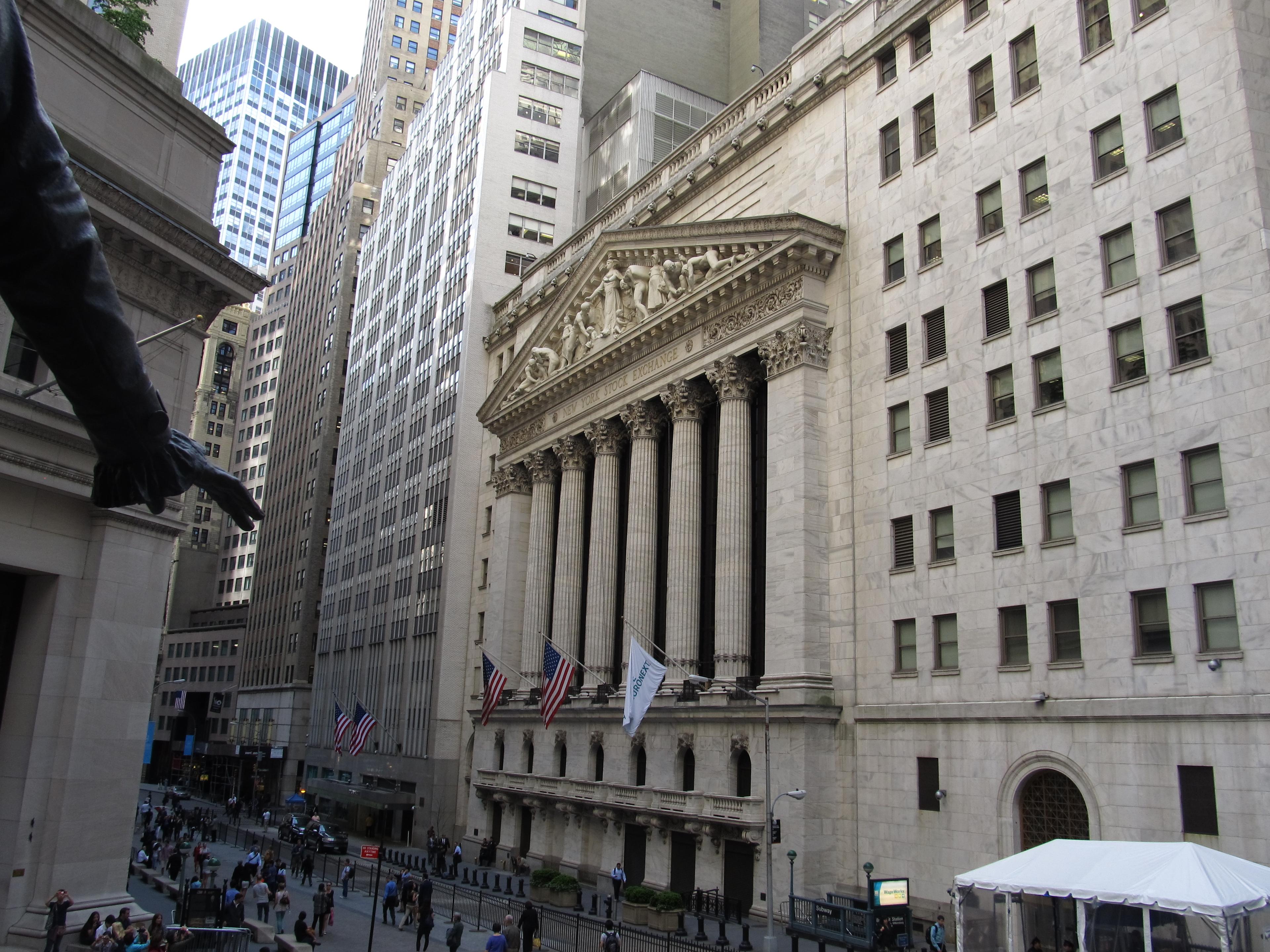
Wall Street Rebounds Sharply on CoreWeave AI Surge While Dollar Hits Yearly High Ahead of Inflation Data
Major U.S. equity benchmarks posted strong gains led by cloud infrastructure provider CoreWeave, even as after-hours scrutiny over Nvidia leadership and hawkish Federal Reserve expectations pushed the U.S. dollar to fresh yearly peaks.

Crude Oil Prices Drop Below $90 as Geopolitical Risk Premiums Evaporate Across Global Energy Markets
Global crude benchmarks recorded their steepest two-day drop of the quarter, as Brent tumbled below $90 per barrel following diplomatic breakthroughs in the Persian Gulf and record domestic inventory accumulations reported by the U.S. Energy Information Administration.

Global Crude Oil Tumbles $7 as Washington Signals De-escalation, Pushing U.S. Retail Gas Prices Toward Multi-Month Lows
Energy commodity benchmarks recorded steep losses on international exchanges as geopolitical risk premiums collapsed, delivering immediate retail fuel savings for American motorists and corporate logistics fleets.