Wall Street Rebounds Sharply on CoreWeave AI Surge While Dollar Hits Yearly High Ahead of Inflation Data
Major U.S. equity benchmarks posted strong gains led by cloud infrastructure provider CoreWeave, even as after-hours scrutiny over Nvidia leadership and hawkish Federal Reserve expectations pushed the U.S. dollar to fresh yearly peaks.

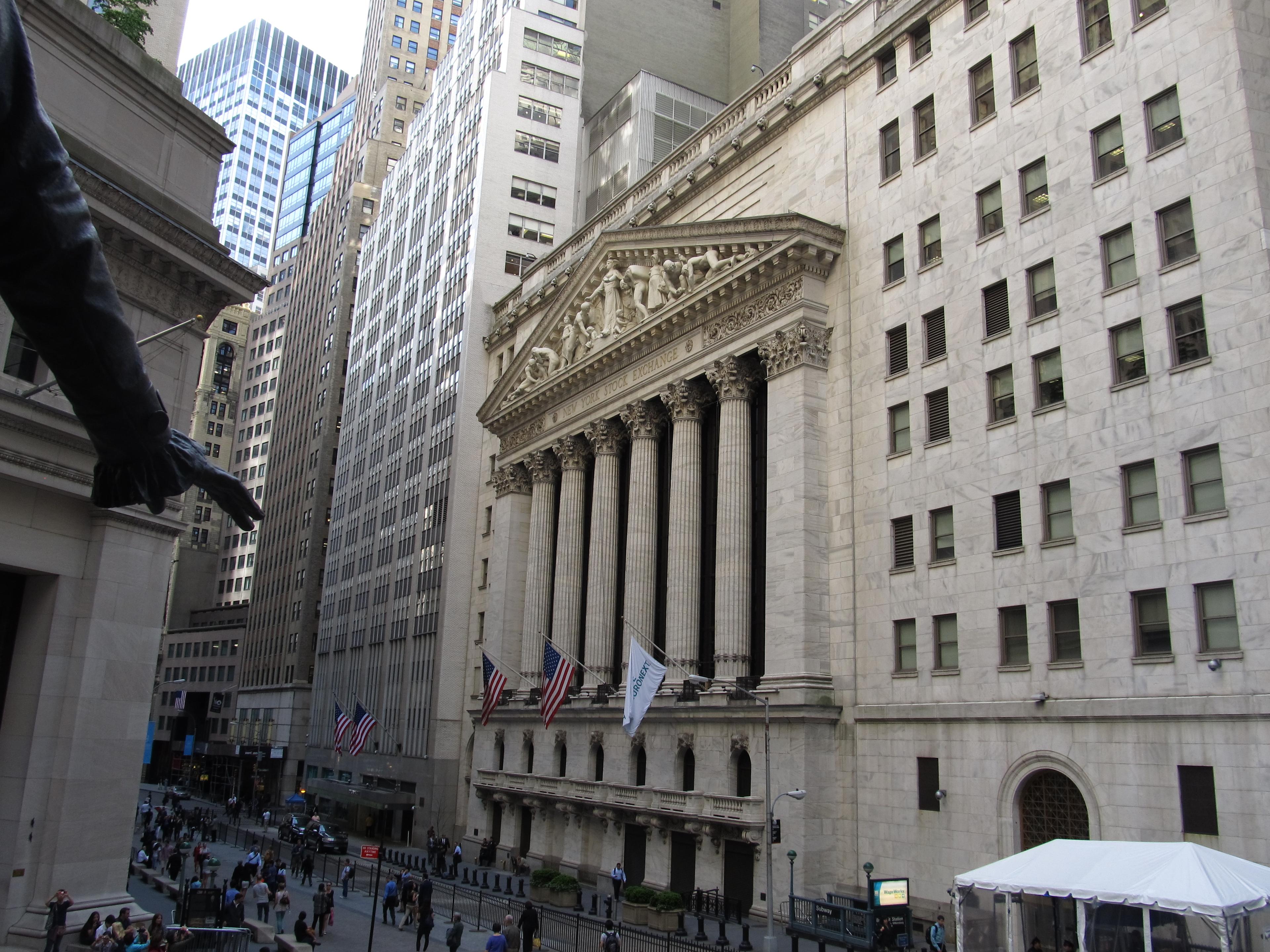
NEW YORK — Wall Street staged a vigorous rebound on Wednesday, snapping a multi-day losing streak as upbeat earnings guidance from artificial intelligence cloud provider CoreWeave revitalized investor confidence across the technology sector. The S&P 500 climbed 1.3 percent to finish at 7,619.38, while the tech-heavy Nasdaq Composite surged 1.6 percent to 25,466.19 and the Dow Jones Industrial Average added 0.5 percent to close at 52,486.49.
The broad rally was anchored by CoreWeave’s stronger-than-expected quarterly financial results and raised forward revenue outlook, which temporarily quelled institutional anxieties that corporate capital expenditures on AI data centers were outpacing commercial software demand. Shares of specialized compute providers including Nebius Group and Applied Digital rallied sharply in sympathy, pulling broader semiconductor indices higher throughout the regular trading session.
Yet optimism across equity desks proved short-lived in after-hours and early Thursday overseas trading, as shares of semiconductor bellwether Nvidia tumbled between 8 and 10 percent. The abrupt sell-off followed investigative reports from The New York Times and The Wall Street Journal detailing an internal board inquiry—assisted by outside counsel Wachtell, Lipton, Rosen & Katz—into governance disclosures, executive relationships, and national security compliance protocols involving Chief Executive Jensen Huang. Investors expressed acute alarm over potential leadership instability at the single largest pillar of global AI hardware financing.
Simultaneously, fixed-income and currency traders grappled with stubborn macroeconomic inflation pressures. Hotter-than-expected consumer price metrics earlier in the week, reinforced by hawkish public commentary from Federal Reserve policymakers citing persistent labor market resilience, propelled the U.S. dollar index to fresh yearly highs and drove gold prices back below the $4,000-per-ounce milestone.
Institutional bond desks have aggressively repriced interest rate expectations, trimming bets on near-term central bank easing and shifting focus toward Friday’s critical Producer Price Index (PPI) release. Market strategists cautioned that with equity valuations stretched near historic multiples and corporate governance headlines testing market leadership, traders should brace for elevated cross-asset volatility heading into year-end.
Related Coverage

Crude Oil Prices Drop Below $90 as Geopolitical Risk Premiums Evaporate Across Global Energy Markets
Global crude benchmarks recorded their steepest two-day drop of the quarter, as Brent tumbled below $90 per barrel following diplomatic breakthroughs in the Persian Gulf and record domestic inventory accumulations reported by the U.S. Energy Information Administration.

Global Crude Oil Tumbles $7 as Washington Signals De-escalation, Pushing U.S. Retail Gas Prices Toward Multi-Month Lows
Energy commodity benchmarks recorded steep losses on international exchanges as geopolitical risk premiums collapsed, delivering immediate retail fuel savings for American motorists and corporate logistics fleets.

Wall Street Stabilizes After Historic Midterm Tech Rout as Crude Oil Slips on Diplomatic De-escalation Signals
U.S. equity benchmarks rebounded on Monday morning as energy commodity prices retreated below $98 a barrel and Treasury yields steadied following a volatile post-election trading week.